Exhibition Stand Builder In Japan
Japan, with its highly organized, technology-focused, and unique business culture, hosts world-class trade fairs that are essential for accessing the East Asian market. Major venues like Tokyo Big Sight, Makuhari Messe, and INTEX Osaka are home to globally significant events such as CEATEC (Electronics), Tokyo Motor Show, Foodex Japan, and NEPCON JAPAN.
Success in this market demands a partner who understands Japanese precision (seikaku), rigorous compliance, and the cultural approach to design and interaction. Choosing an expert Exhibition Stand Builder In Japan is critical for ensuring a flawless, respectful, and impactful presence.
Navigating the Strict Japanese Compliance Environment
Exhibiting in Japan is highly structured and requires absolute adherence to strict safety and venue protocols, which differ significantly from Western markets:
- Rigorous Safety Standards: Due to high seismic activity, Japanese venues enforce strict structural stability and earthquake regulations. All stand materials must meet specific Japanese Fire Marshall Association standards for fire resistance.
- Engineering and Permits: Complex structures, especially those exceeding three or four meters in height, or with suspended signage, require certified engineers to submit detailed safety verification documents known as Anzen Kensa (Safety Check).
- Operational Restrictions: Venue rules are strictly enforced. For instance, overhead signage or rigging is generally prohibited in certain areas, construction noise often has severe time restrictions (e.g., prohibited after 6 p.m.), and all setup personnel must wear safety helmets during build-up days.
A local Exhibition Stand Contractor in Japan is invaluable for handling all technical submissions, paperwork, and logistical coordination, ensuring compliance and preventing costly show disruptions.
Design Trends: Minimalism, Technology, and Clarity
Japanese exhibition design focuses on a sophisticated blend of advanced technology and a clean, minimalist aesthetic (kanso) that prioritizes the visitor's focus:
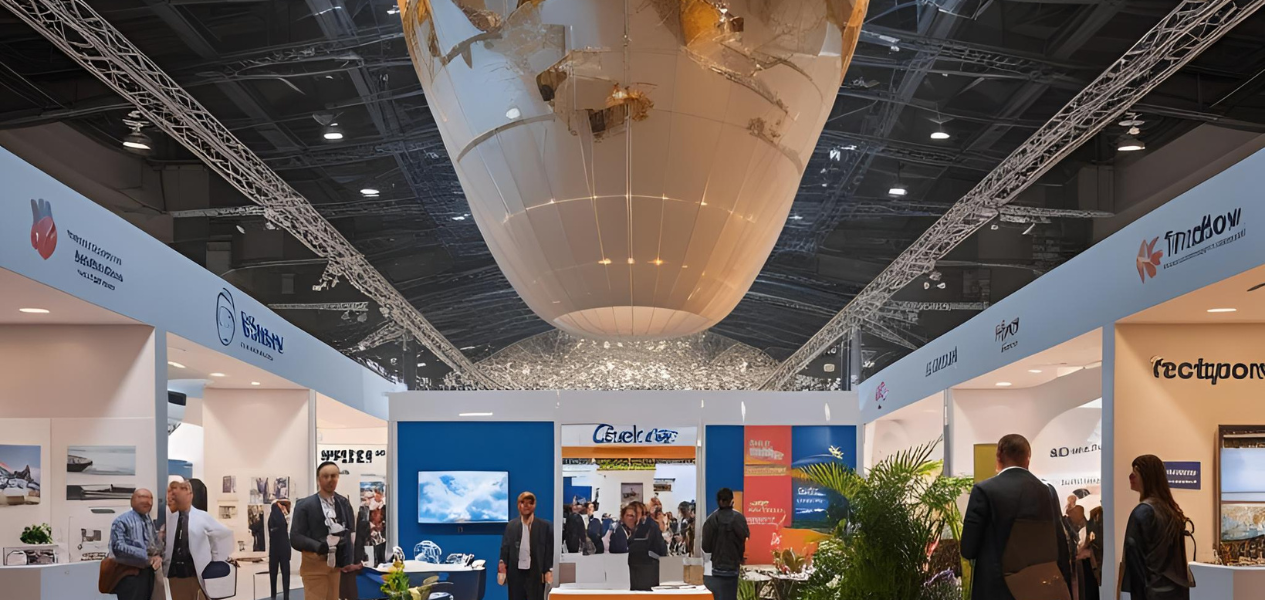
- Immersive Technology: Japan is a global leader in tech. Stands often feature cutting-edge digital integration, including large, seamless LED displays, AR/VR product simulators, and advanced interactive stations designed for clear, detailed information exchange.
- Minimalism and Functionality: Designs utilize open layouts, clear lines, and functional spaces to guide visitor flow efficiently. The focus is on letting the product or technology be the centerpiece, reflecting a cultural preference for clarity and quality over clutter.
- High-Quality Finishes: There is an absolute emphasis on precision craftsmanship and the quality of materials used. Whether opting for a custom-built exhibition stand or a high-end modular system, the finishing must be flawless to align with Japanese standards of excellence.
- Privacy and Professionalism: Stand designs strategically incorporate dedicated, private meeting rooms where high-level business can be conducted quietly and respectfully, accommodating the formal nature of Japanese B2B interactions.
Key Logistical and Partnership Considerations
To ensure a seamless, high-quality exhibition in Japan, select a partner who offers a complete, end-to-end turnkey solution:
- Bilingual Project Management: A dedicated project manager with fluency in English and Japanese is essential for smooth communication with venue staff, local suppliers, and customs agents.
- Logistical Expertise: The partner must manage bonded freight and customs clearance for imported exhibition materials, coordinate precise truck entry time slots at venues like Tokyo Big Sight, and manage labor effectively.
- In-House Capabilities: Look for builders with local fabrication facilities in or near Tokyo and Osaka, offering total quality control, faster production, and reliable storage options for reusable stands.
- Full Turnkey Service: The contractor should manage every stage: 3D conceptual design, regulatory approval (Anzen Kensa), in-house fabrication, graphic production, on-site installation, and post-show dismantling and waste segregation.
Also Read:-
Exhibition Stand Builder In India